Before we dive into real examples from leading brands, let’s address the elephant in the room: traditional advertising doesn’t work for Gen Z.
Recent studies show Gen Z skips 82% of ads as quickly as possible. They grew up bombarded with advertising and learned to tune it out—or worse, distrust it entirely.
That’s why smart brands are turning to student ambassador programs instead.
In this guide, you’ll see exactly how 5 major brands—from Shein to Coca-Cola—structure their student ambassador programs, what they pay, and what results they’re getting.
By the end, you’ll understand:
- What makes student ambassador programs effective
- How different industries approach ambassador programs
- Which compensation model fits your brand
- How to get started (with real examples to model)
Let’s start with the basics.
What is a student ambassador program?
A student ambassador program is when a brand recruits college students to represent the brand on campus—both online and in-person.
Here’s how it works:
Students apply (or are recruited) to become brand ambassadors. Once accepted, they complete marketing tasks in exchange for rewards:
Common tasks:
- Create social media content (Instagram posts, TikTok videos, Stories)
- Host on-campus events (product demos, tasting events, giveaways)
- Share discount codes or referral links
- Provide feedback on products and marketing
- Recruit other potential ambassadors
Common rewards:
- Cash payments (hourly, monthly, or per-task)
- Commission on sales (typically 5-10%)
- Free products
- Store credit or discounts
- Exclusive experiences (events, early access)
- Resume-building opportunities
The goal? Build authentic brand awareness on college campuses through trusted peers rather than interruptive ads.
Why it works: Students trust other students. When a peer genuinely loves a product and shares it, that carries infinitely more weight than a paid advertisement.
Now let’s look at how real brands execute this.
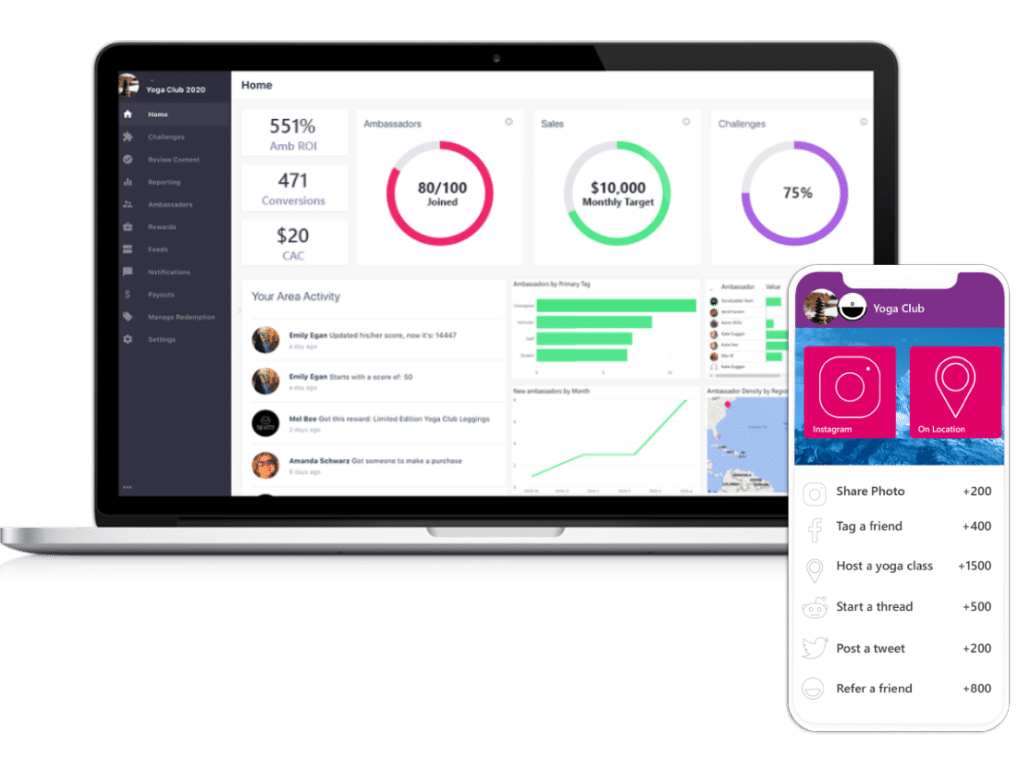
Find the perfect influencers & ambassadors and reward them for spreading the love for your brand with SocialLadder
Discover influencers/ambassadors, build your advocate community, generate UGC, track your ROI, and more.

1. Shein: Commission-Based Ecommerce Model
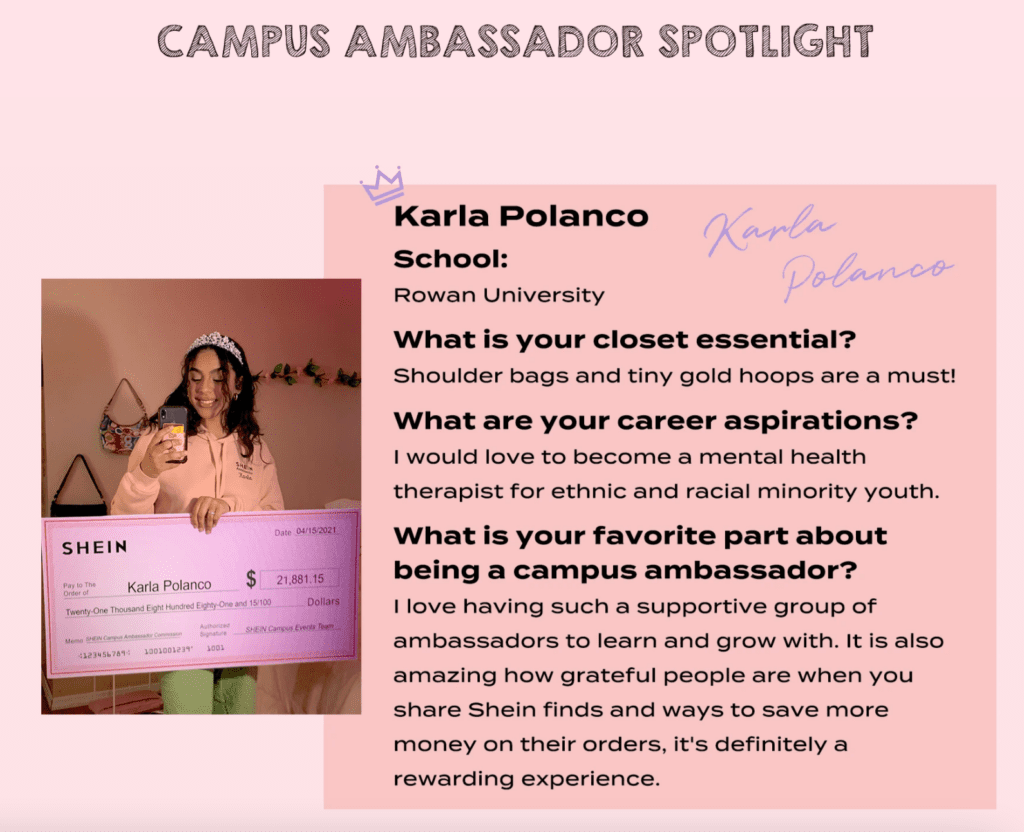
Industry: Fashion / Ecommerce
Program type: Commission-based
Scale: Hundreds of ambassadors globally
How it works:
Shein keeps their student ambassador program beautifully simple. Students apply through Shein’s website by providing basic information about themselves and their social presence.
Shein’s team reviews applications and selects ambassadors who fit their brand aesthetic and have an engaged audience.
Requirements:
- Active college student
- Enthusiasm for Shein products
- Active social media presence (no specific follower minimum)
- Willingness to create content regularly
Compensation:
- Unique discount code to share
- Commission on every purchase made with their code
- Exclusive products to feature
- Early access to new collections
What makes it work:
Shein builds a supportive community where ambassadors feel valued beyond just commissions. They provide:
- Mentorship programs pairing new ambassadors with experienced ones
- Internship opportunities for top performers
- Exclusive giveaways and contests
- Virtual training on content creation
Best for: Ecommerce brands with high-volume, affordable products who want to scale quickly with minimal upfront investment.
+ Read More: How to Recruit Student Ambassadors in 4 Steps
2. Blue Delta Jeans: NIL Deals for College Athletes
Industry: Fashion / Athletics
Program type: NIL partnership deals
Scale: Entire team sponsorships
How it works:
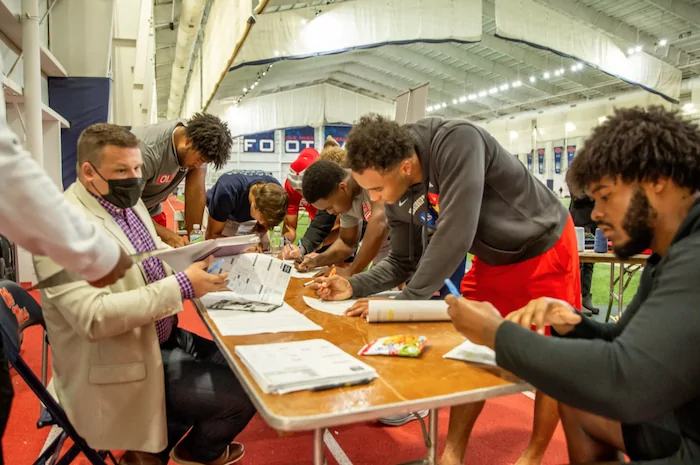
Blue Delta Jeans made history as one of the first brands to leverage NIL (Name, Image, Likeness) deals after NCAA rule changes. Instead of recruiting individual students, they offered a deal to the entire Ole Miss Football Team.
This approach combines the reach of traditional sponsorship with the authenticity of peer-to-peer marketing.
Requirements:
- NCAA college athlete
- Willingness to create social content
- Team or individual partnership interest
Compensation:
- $450 custom pair of jeans (one-time product gift)
- Unique referral code
- $100 per purchase made with their code
- Bonus: Extra pair of custom jeans for every 20 sales
What makes it work:
College athletes have built-in audiences (teammates, fans, alumni) and natural credibility. When an entire football team wears your jeans, it creates massive social proof and conversation.
The program also requires minimal time commitment—just one social post per month for 5 months.
Best for: Premium brands targeting sports-focused audiences, or brands wanting to make a big splash with team-based partnerships.
+ Read More: College Marketing Should Be Part of Your 2026 Marketing Strategy
3. Coca-Cola: Enterprise-Scale Campus Reps
Industry: CPG / Beverage
Program type: Paid campus representatives
Scale: Hundreds of campus reps across North America
How it works:
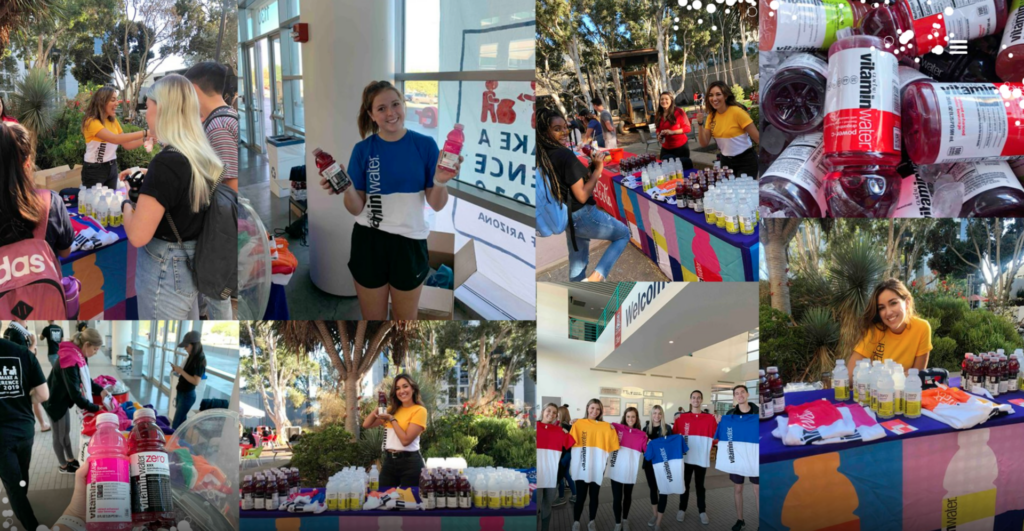
Coca-Cola runs one of the most established and professional student ambassador programs in the industry. Their program treats ambassadors like part-time employees, complete with training, regular meetings, and structured responsibilities.
Requirements:
- Full-time college student
- 20 hours per month availability
- Strong communication and event planning skills
- Passion for sustainability (Coca-Cola’s current initiative)
Responsibilities:
- Host 5-7 sampling events on campus per semester
- Promote Coca-Cola products on personal social media
- Attend regular meetings with local bottlers and the College & University team
- Build relationships with campus stakeholders (student organizations, athletics, etc.)
- Champion Coca-Cola’s sustainability initiatives (“World Without Waste”)
Compensation:
- Up to $2,000 per school year
- Works out to roughly $10-15/hour for 20 hours/month
- Free products for sampling events
- Professional development and training
- Resume-building experience with a Fortune 500 brand
What makes it work:
Coca-Cola invests in training and treats ambassadors as professional representatives, not just content creators. This creates ambassadors who are knowledgeable, passionate, and effective.
The sustainability angle also gives ambassadors a mission beyond just “sell more Coke”—they’re promoting a cause they can believe in.
Best for: Established CPG brands with budget for paid programs and a desire to build deep campus relationships over time.
4. Pearson: Education Publisher Campus Leaders
Industry: Education / Publishing
Program type: Paid campus representatives
Scale: 70+ campus leaders nationwide
How it works:
Pearson’s program targets students who are genuinely interested in education technology and want hands-on experience in product marketing and feedback.
Requirements:
- Full-time college student
- 5-10 hours per week availability
- Interest in education technology
- Strong presentation and communication skills
Responsibilities:
- Demo Pearson’s technology products to classmates and professors
- Create activities that help students discover and use Pearson products
- Collect student feedback on products and features
- Collaborate with Pearson’s product and marketing teams
- Attend regular training calls and team meetings
- Test new products before launch
Compensation:
- $10 per hour (5-10 hours/week = $200-400/month)
- Free access to all Pearson digital products
- Early access to new product launches
- Professional experience in tech and publishing
What makes it work:
Pearson positions their program as a professional development opportunity. Ambassadors aren’t just promoting products—they’re gaining real experience in product marketing, user research, and B2B sales.
The program also benefits Pearson significantly: they get direct student feedback on products, which helps improve their offerings.
Best for: B2B or education brands whose products require explanation and whose target users (students/faculty) value professional development.
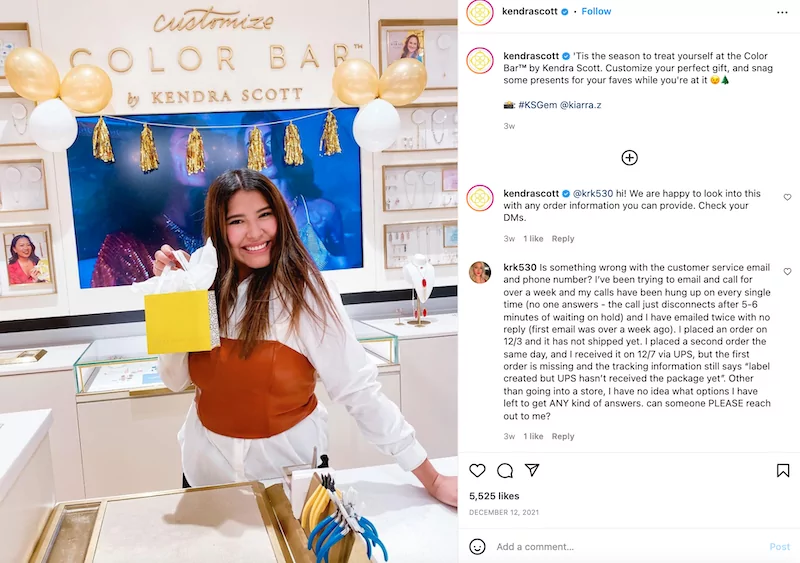
5. Kendra Scott: Jewelry Brand “Gems” Community
Industry: Retail / Jewelry
Program type: Product + perks + community
Scale: 200 Gems across 100 campuses
How it works:
Kendra Scott’s “Gems” program is built around community and professional development rather than pure sales. It attracts ambitious students who want real brand experience to put on their resumes.
Requirements:
- Submit a video application (maximum 2 minutes)
- Demonstrate creativity and enthusiasm
- Active social media presence
- Interest in fashion, retail, or marketing
Responsibilities:
- Host on-campus events (pop-ups, giveaways, philanthropic partnerships)
- Create social media content featuring Kendra Scott jewelry
- Engage with campus communities (sororities, student organizations, athletics)
- Represent the brand at local retail stores during key events
Compensation:
- Exclusive Kendra Scott jewelry to wear and share
- Ambassador-only discount code
- Opportunities to win contests and prizes
- Resume-building experience with a nationally recognized brand
- Networking opportunities with Kendra Scott corporate team
What makes it work:
Kendra Scott focuses on community over commissions. Gems feel like they’re part of something exclusive and prestigious, not just another sales channel.
The video application requirement filters for students who are creative, articulate, and willing to put effort in—ensuring quality over quantity.
Results with SocialLadder:
By partnering with SocialLadder’s all-in-one platform, Kendra Scott successfully managed 200 ambassadors across 100 campuses and achieved:
- 104% increase in EMV (Earned Media Value) per post
- 169% increase in overall social impressions
- Top TikTok posts reaching 240K+ views and 19K+ likes
- Total TikTok following grew to 1 million
Best for: Premium retail brands that want to build brand loyalty and community among fashion-forward, ambitious students.
+ Read More: Kendra Scott’s College Ambassador Program Increases Social Media Impressions by 169%
How to Choose the Right Model for Your Brand
Based on these examples, here’s how to decide which student ambassador model fits your brand:
Ecommerce Model (like Shein)
Best for: High-volume, affordable products with strong ecommerce presence
Structure:
- Commission-based (5-10% per sale)
- Low barrier to entry
- Focus on social media content and referral links
- Minimal hands-on management required
Pros: Scalable, performance-based, low upfront cost
Cons: Requires strong product-market fit and conversion-optimized website
NIL Partnership Model (like Blue Delta Jeans)
Best for: Brands targeting sports fans or wanting to make a big splash
Structure:
- Team or individual athlete deals
- Product gifting + performance bonuses
- Minimal time commitment (1 post/month)
- High social proof value
Pros: Massive reach, credibility, PR opportunity
Cons: Higher upfront cost, less control over messaging
Enterprise Paid Model (like Coca-Cola)
Best for: Established CPG brands with budget and long-term campus strategy
Structure:
- Hourly or monthly salary ($10-15/hour or $200-2,000/month)
- Structured responsibilities and events
- Regular training and meetings
- Professional development focus
Pros: High-quality representation, deep campus relationships, brand control
Cons: Higher cost, requires management infrastructure
Product + Perks Model (like Kendra Scott)
Best for: Premium retail brands building lifestyle communities
Structure:
- Free products to wear and share
- Exclusive discounts and experiences
- Resume-building positioning
- Community and events focus
Pros: Attracts ambitious, high-quality ambassadors; builds brand loyalty
Cons: Requires strong brand appeal; less directly ROI-focused
Hybrid Model (like Pearson)
Best for: B2B, education, or tech brands needing product feedback
Structure:
- Hourly pay + free products
- Product testing and feedback loop
- Professional development angle
- Lower volume, higher engagement
Pros: Quality feedback, professional ambassadors, mutual value
Cons: Smaller scale, requires product worth testing
Not sure which model fits your brand? Book a demo to discuss your strategy with our team →
Frequently Asked Questions
How much do student ambassadors typically get paid?
Student ambassador compensation varies widely by brand and program structure:
Commission-based programs (like Shein): 5-10% commission per sale, no base pay. Top performers can earn $200-500/month if they’re active.
Paid hourly programs (like Pearson, Coca-Cola): $10-15/hour for 5-20 hours/month = $200-2,000/month depending on commitment level.
Product-based programs (like Kendra Scott): No cash, but free products worth $100-500/month plus exclusive discounts and perks.
Hybrid programs: Combination of base pay ($5-10/hour) + commission (5%) + products.
Most brands find hybrid models work best—combining guaranteed compensation (builds loyalty) with performance incentives (drives results).
What brands have successful student ambassador programs?
Hundreds of major brands run student ambassador programs across industries:
Fashion & Apparel:
- Shein (commission-based, global)
- Victoria’s Secret PINK (tiered program)
- American Eagle (campus influencers)
- Princess Polly (affiliate-focused)
CPG & Beverage:
- Coca-Cola (paid reps)
- Red Bull (event marketing)
- Vitamin Water (sampling programs)
Technology:
- Samsung (paid + product)
- Apple (select campuses)
- Adobe (education focus)
Retail & Beauty:
- Kendra Scott (community-driven)
- Sephora (beauty insider program)
- Ulta (campus ambassadors)
Athletics & Lifestyle:
- Nike (athlete-focused)
- Blue Delta Jeans (NIL deals)
- Adidas (campus creators)
500+ brands now use student ambassadors as a core part of their Gen Z marketing strategy.
How do I start a student ambassador program for my brand?
Starting a student ambassador program involves five key steps:
1. Define your goals
- Brand awareness on campus?
- Direct sales/conversions?
- User-generated content?
- Product feedback?
- Event attendance?
2. Choose your compensation model
- Commission-only (low risk, performance-based)
- Paid hourly/monthly (attracts quality ambassadors)
- Product-based (works for premium brands)
- Hybrid (best of both worlds)
3. Set your requirements
- Follower count minimums (or not?)
- GPA requirements?
- Time commitment expectations
- Geographic focus (which campuses?)
4. Build your program structure
- Application process
- Onboarding and training
- Task guidelines and expectations
- Communication channels
- Reward distribution system
5. Choose your management approach
- Manual (spreadsheets + email): Works for under 20 ambassadors
- Platform (like SocialLadder): Required for 50+ ambassadors
- Hybrid: Start manual, migrate to platform as you scale
Pro tip: Start with a pilot of 10-20 ambassadors on 5-10 campuses. Test, learn, optimize, then scale.
Book a demo to discuss your launch strategy →
What’s the ROI of student ambassador programs?
Student ambassador programs deliver measurable ROI across multiple metrics:
Kendra Scott results (real data):
- 104% increase in EMV per post
- 169% increase in social media impressions
- Successfully managed 200 ambassadors across 100 campuses
- Top TikTok posts: 240K+ views, 19K+ likes
Industry benchmarks:
- 40-60% lower customer acquisition cost compared to paid social ads
- 3-5x higher engagement rates than branded social accounts
- 85% of students trust peer recommendations vs 15% for traditional advertising
- Average ROI positive within 3-6 months for well-executed programs
Why student ambassadors deliver ROI:
- Trust: Peers trust peers more than brands
- Authenticity: Real students sharing real experiences
- Cost-efficiency: Pay for performance, not impressions
- Compounding value: Relationships build over time
- Multi-channel impact: Social + word-of-mouth + events
Most brands see their ambassador programs become one of their highest-ROI marketing channels within a year.
How many student ambassadors should I recruit?
The ideal number depends on your goals, resources, and management capacity:
Pilot Program: 10-20 ambassadors on 5-10 campuses
- Good for: Testing and learning
- Management: Spreadsheets + Slack work fine
- Investment: $500-2,000/month
- Timeline: 2-3 months to prove concept
Established Program: 50-100 ambassadors on 25-50 campuses
- Good for: Meaningful market penetration
- Management: Requires platform (SocialLadder, etc.)
- Investment: $2,000-10,000/month
- Timeline: 6-12 months to build
Scaled Program: 200+ ambassadors on 100+ campuses
- Good for: National presence (like Kendra Scott, Coca-Cola)
- Management: Dedicated team + robust platform
- Investment: $10,000-30,000/month
- Timeline: 12-24 months to build and optimize
Important: Quality > quantity. 10 highly engaged ambassadors often outperform 50 passive ones.
Start small, prove ROI, then scale systematically.
What software do I need to manage student ambassadors?
For programs with 50+ ambassadors, manual management breaks down. You’ll need software that handles:
Core functionality:
- Ambassador recruitment and application management
- Onboarding and training
- Task assignment and tracking
- Communication (announcements, updates, 1:1 messaging)
- Content approval and moderation
- Payment/commission processing
- Performance analytics and reporting
Platform options:
SocialLadder (used by Kendra Scott, American Eagle, etc.)
- All-in-one ambassador management
- Discovery, onboarding, tasks, payments, analytics
- Built specifically for ambassador programs
- Scales from 50 to 1,000+ ambassadors
AspireIQ/Creator.co
- Creator-focused, works for ambassadors
- More influencer-marketing oriented
- Higher price point
Grin
- Ecommerce-focused
- Good for commission-based programs
- Shopify integration
Manual approach (only for <20 ambassadors):
- Google Sheets for tracking
- Slack/Discord for communication
- PayPal/Venmo for payments
- Manual content review
The reality: If you’re serious about scaling, you need a platform. Kendra Scott couldn’t manage 200 Gems with spreadsheets.
Do student ambassadors need a certain follower count?
Follower requirements vary widely by brand—and they’re often not the most important factor:
Low barrier (like Shein):
- No specific minimum
- Focus on enthusiasm and brand fit
- Best for: Maximizing reach and volume
Medium barrier (like Victoria’s Secret):
- 2,000+ followers on Instagram/TikTok
- Demonstrates existing audience and content skills
- Best for: Balancing quality and scale
High barrier (like Samsung):
- 5,000+ combined followers
- Proven content creation ability
- Best for: Premium positioning, lower volume
The truth: Engagement rate matters more than follower count.
A student with 500 highly engaged followers (10% engagement rate) will often drive more results than one with 5,000 passive followers (1% engagement rate).
Best practice: Look for:
- Authentic engagement (real comments, not just likes)
- Content quality and consistency
- Alignment with your brand aesthetic
- Campus involvement and influence (clubs, sports, Greek life)
The most successful ambassadors aren’t always the biggest accounts—they’re the most trusted voices in their communities.
Student Ambassador Programs: Key Takeaways
After examining programs from Shein, Blue Delta Jeans, Coca-Cola, Pearson, and Kendra Scott, here are the critical lessons:
1. Student ambassadors solve the Gen Z trust problem
Gen Z skips 82% of traditional ads. Student ambassadors provide authentic, peer-to-peer recommendations that actually work—because they come from trusted sources, not brands.
2. Programs are highly flexible
There’s no one-size-fits-all model. You can run commission-only (Shein), paid programs (Coca-Cola), product-based rewards (Kendra Scott), or hybrid approaches. Choose based on your budget, goals, and industry.
3. Results are measurable and strong
Kendra Scott saw 169% increase in social impressions and 104% increase in EMV per post. Industry benchmarks show 40-60% lower CAC vs paid ads and 3-5x higher engagement than brand accounts.
4. Scale requires the right tools
Managing 5-10 ambassadors manually? Spreadsheets work. Managing 200 like Kendra Scott? You need a platform like SocialLadder to handle recruitment, training, tasks, content, payments, and analytics.
5. Quality trumps quantity
The best programs focus on recruiting genuinely enthusiastic students who fit the brand—not just anyone with followers. Ten passionate ambassadors beat fifty passive ones every time.
Ready to Launch Your Student Ambassador Program?
You’ve seen how major brands structure their programs. You understand the different models. You know what results are possible.
Now it’s time to build yours.
Here’s what to do next:
- Choose your model based on the examples above
- Start with a pilot (10-20 ambassadors, 5-10 campuses)
- Set up your management system (manual for small, platform for scale)
- Recruit your first ambassadors and test
- Measure, optimize, and scale based on results
Or skip the trial-and-error and learn from brands who’ve already figured it out.
SocialLadder helps brands like Kendra Scott, American Eagle, and 500+ others build, manage, and scale student ambassador programs that actually drive results.
Book a demo to see how it works →
Download our free ebook: Building a Successful Ambassador Community →